CCTV Camera Placement Best Practices for Maximum Coverage
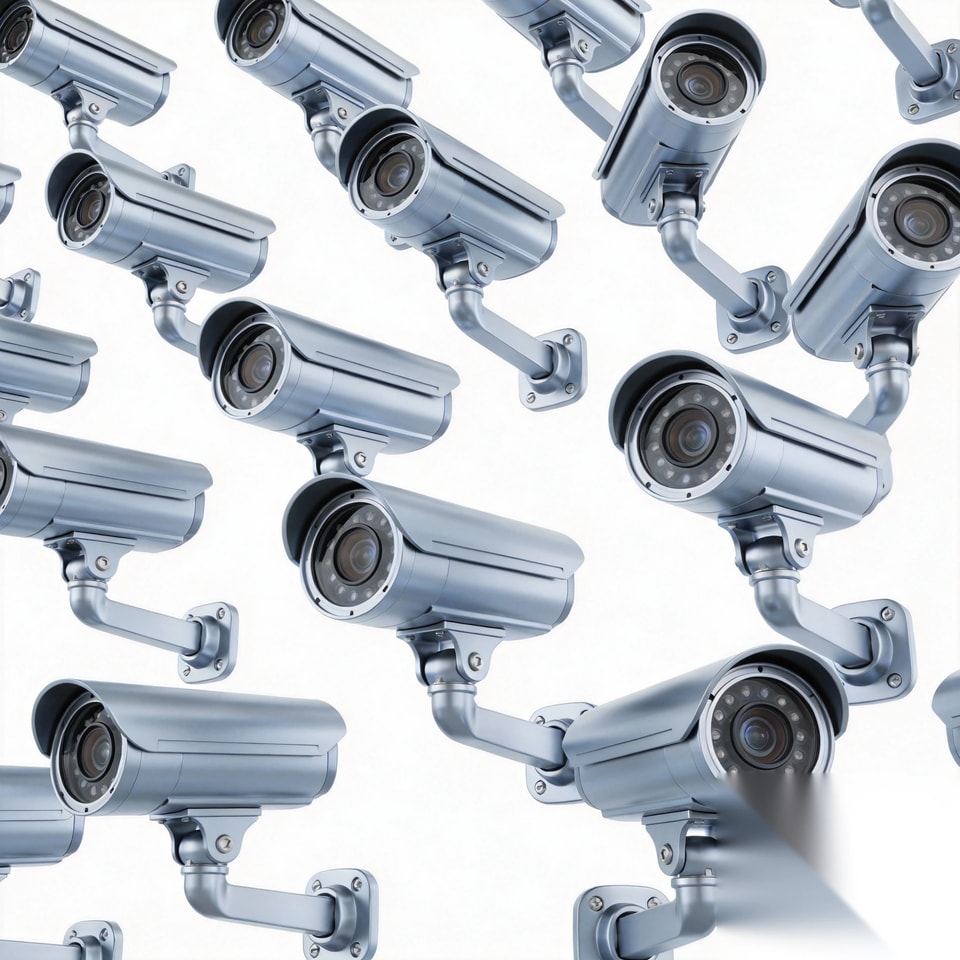
Proper camera placement is critical for effective surveillance. This guide covers best practices for achieving maximum coverage while minimizing blind spots.
General Placement Principles
- Height: 8-10 feet for general surveillance, higher for crowd overview
- Angle: 15-30 degrees downward tilt for facial capture
- Lighting: Position to avoid direct light sources and glare
- Coverage: Overlap adjacent camera views by 10-15%
Critical Areas
Entry Points
- Main entrances: Face-on view for identification
- Secondary doors: Wide-angle for activity monitoring
- Loading docks: High-resolution for license plate capture
Interior Spaces
- Hallways: End-to-end coverage with minimal cameras
- Open areas: PTZ for flexible monitoring
- High-value areas: Dedicated high-resolution cameras
Common Mistakes to Avoid
- Pointing cameras into bright light sources
- Inadequate night vision consideration
- Ignoring privacy regulations
- Under-specifying resolution for required detail
Testing and Validation
Always perform on-site testing at different times of day and lighting conditions before finalizing installation.